
Creating high-quality content that ranks well on Google is no easy task. You might have an amazing blog post, but if your keywords aren’t strategically placed, your content may never reach the audience it deserves. This is where a Keyword Density Checker – SEO Content Analyzer comes in handy.
Whether you are a blogger, content writer, digital marketer, or website owner, understanding keyword density is crucial for optimizing your content without falling into the trap of keyword stuffing. In this comprehensive guide, we’ll explore everything you need to know about keyword density, why it matters, and how to use a Keyword Density Checker to improve your SEO rankings.
What is Keyword Density?
Keyword density is the percentage of times a keyword appears on a webpage compared to the total number of words. For example, if your target keyword appears 10 times in a 500-word article, the keyword density is 2%.
Proper keyword density ensures that your content is optimized for search engines without being penalized for overusing keywords. Keyword density is a balancing act – too little, and Google might not recognize your topic; too much, and your content can be flagged for keyword stuffing.
Why Keyword Density Matters for SEO

Keyword density plays a pivotal role in SEO because:
-
Search Engine Recognition: Properly optimized keyword usage helps Google understand the main topic of your content.
-
Avoid Keyword Stuffing: Excessive keyword use can harm your rankings and readability.
-
User Engagement: Natural placement of keywords ensures your content is readable and engaging.
-
Content Optimization: Helps you identify which keywords are underused or overused.
Using a Keyword Density Checker allows you to maintain a healthy balance, making your content both search-engine friendly and reader-friendly.
How Keyword Density is Calculated
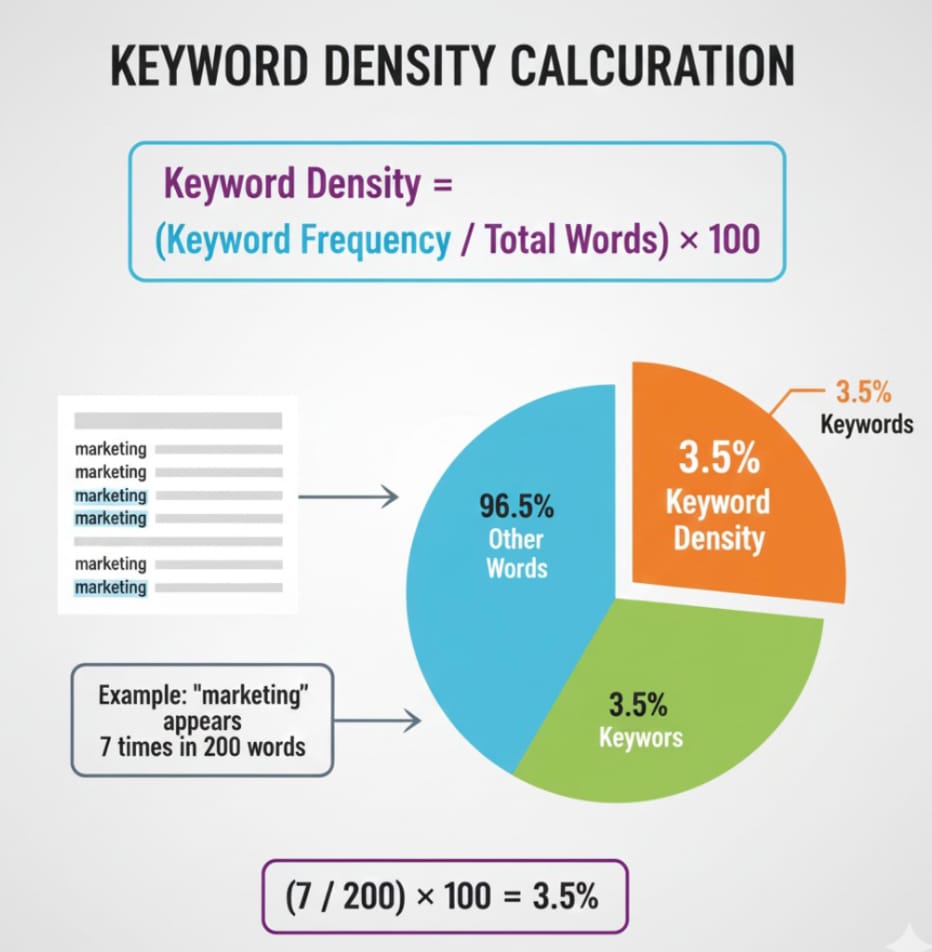
The formula to calculate keyword density is straightforward:
Keyword Density (%)=(Number of times keyword appearsTotal word count)×100\text{Keyword Density (\%)} = \left( \frac{\text{Number of times keyword appears}}{\text{Total word count}} \right) \times 100Keyword Density (%)=(Total word countNumber of times keyword appears)×100
Example:
-
Total words in article: 1000
-
Keyword “SEO content analyzer” appears: 20 times
Keyword Density=(20/1000)×100=2%\text{Keyword Density} = (20 / 1000) \times 100 = 2\%Keyword Density=(20/1000)×100=2%
Most SEO experts recommend keeping keyword density between 1%–3% for optimal results.
Introducing the Keyword Density Checker – SEO Content Analyzer
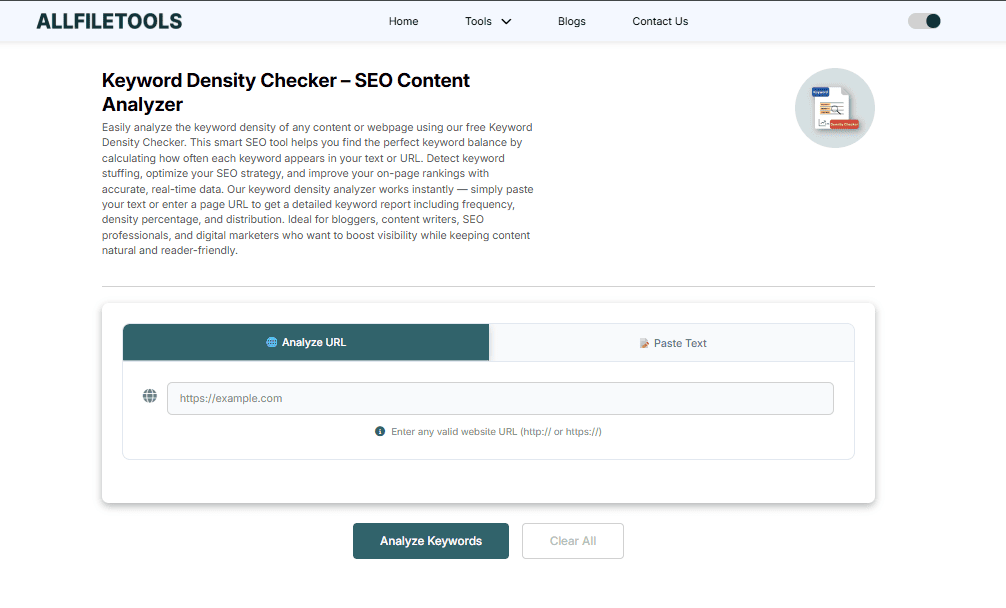
The Keyword Density Checker – SEO Content Analyzer from AllFileTools is a free online tool designed to simplify content optimization. It helps you:
-
Analyze your content’s keyword frequency
-
Detect overused or underused keywords
-
Identify related and LSI keywords
-
Optimize content for search engines
This tool is ideal for SEO beginners, bloggers, content writers, and digital marketers who want an easy and effective way to boost their website rankings.
Features of the Keyword Density Checker Tool
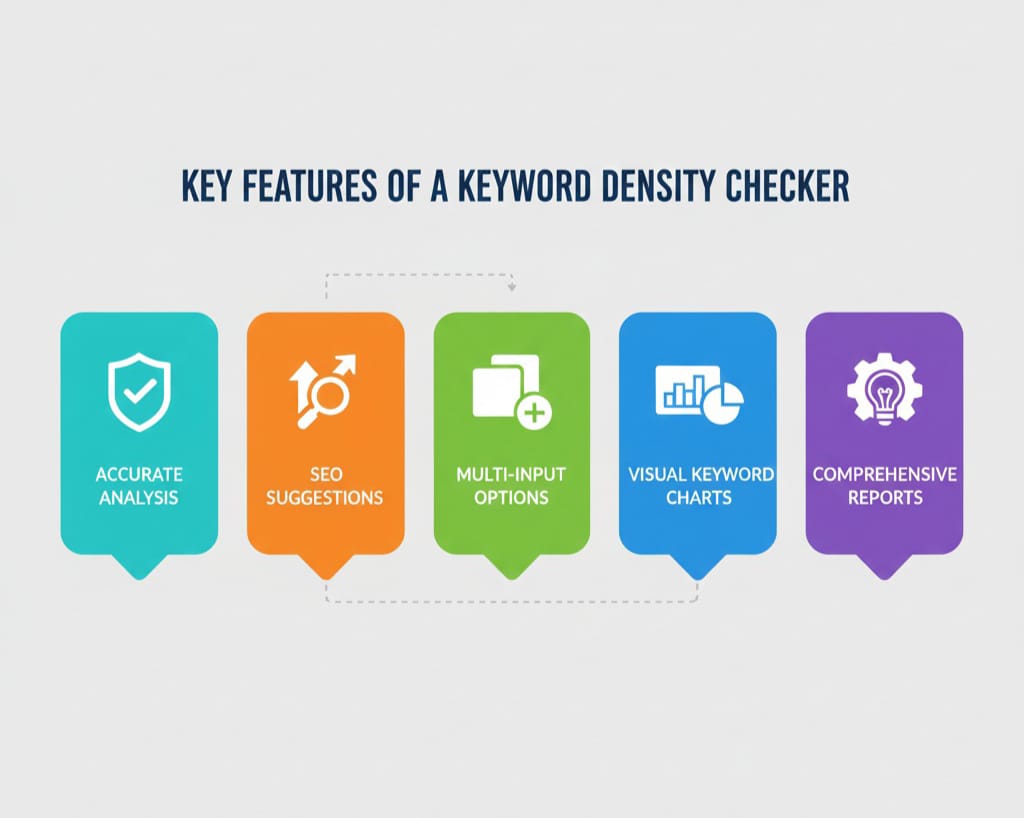
Here’s why this tool is a must-have for content creators:
1. Accurate Keyword Analysis
The tool scans your content and calculates exact keyword frequency and density percentages. You can see which keywords are used the most and which need more focus.
2. SEO Content Suggestions
It not only identifies keyword usage but also suggests related terms to include for semantic SEO, helping your content appear for multiple search queries.
3. Multiple Input Options
You can either paste your text or upload a file for analysis. This flexibility makes it perfect for bloggers who work with Word documents, PDFs, or HTML content.
4. User-Friendly Interface
Even beginners can use it effortlessly. The interface is simple, intuitive, and visually displays keyword density using color-coded charts.
5. Free and Online
No software installation is required. The tool is completely free, accessible from any device with an internet connection.
Benefits of Using a Keyword Density Checker
Using a keyword density checker provides multiple advantages:
-
Avoid Keyword Stuffing: Overusing a keyword can lower rankings; this tool ensures your content stays within safe limits.
-
Improve Content Relevance: By checking which keywords are underused, you can optimize for search intent.
-
Boost SEO Rankings: Proper keyword usage helps your content rank higher on Google.
-
Save Time: Quickly analyze large content without manual counting.
-
Data-Driven Decisions: Helps content creators make informed decisions about keyword placement.
Step-by-Step Guide: How to Use the Tool
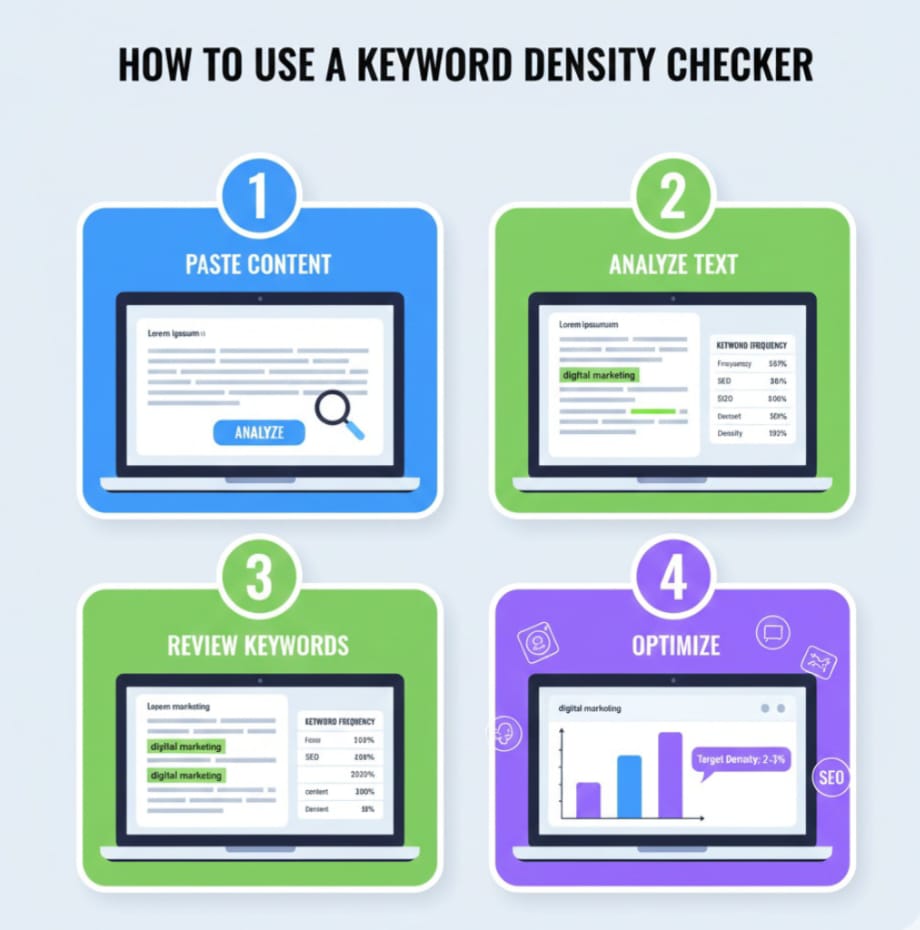
Here’s how to optimize your content using the Keyword Density Checker – SEO Content Analyzer:
Step 1: Open the Tool
Visit the tool page at AllFileTools Keyword Density Checker.
Step 2: Input Your Content
-
Option 1: Paste your text directly into the input box.
-
Option 2: Upload a file (supports TXT, DOCX, PDF, HTML).
Step 3: Analyze the Content
Click on the Analyze button. The tool will scan your content and provide:
-
Keyword frequency
-
Density percentage
-
Highlighted keywords with visual cues
Step 4: Review Keyword Suggestions
Check the suggested related keywords and LSI terms. Incorporate them naturally into your content to improve SEO.
Step 5: Adjust Your Content
Based on the analysis, revise your content:
-
Reduce overused keywords
-
Add underused keywords
-
Ensure keywords fit naturally
Step 6: Re-Analyze
After making changes, run the content again to confirm that your keyword density is optimized.
Who Should Use the Keyword Density Checker?

This tool is perfect for:
-
SEO Beginners: Learn about keyword density and content optimization effortlessly.
-
Bloggers: Ensure your posts are optimized for search engines.
-
Content Writers: Improve readability and SEO performance.
-
Digital Marketers: Analyze and optimize client content for better rankings.
-
Website Owners: Check your website content to boost visibility.
-
Developers / Technical Users: Evaluate HTML or web-based content for SEO.
-
Students: Learn SEO practices and improve writing skills.
Common Use Cases
-
Blog Post Optimization: Ensure your blog posts are SEO-friendly before publishing.
-
Competitor Analysis: Compare your keyword usage with competitors’ content.
-
Content Audits: Identify underperforming content and optimize it.
-
Client Projects: Provide professional SEO analysis for content marketing clients.
-
Learning SEO: Experiment with keyword placements and see real-time effects.
Tips for Using Keyword Density Effectively

-
Focus on primary keywords first: Make sure your main keyword appears in headings, introduction, and conclusion.
-
Use secondary/long-tail keywords naturally: Sprinkle related keywords throughout the content.
-
Avoid keyword stuffing: Stick to the recommended density of 1–3%.
-
Check semantic relevance: Include LSI keywords to improve topical authority.
-
Regularly update content: Re-analyze content when adding new sections or updates.
Conclusion

Optimizing content for SEO doesn’t have to be complicated. By leveraging a Keyword Density Checker – SEO Content Analyzer, you can confidently craft content that aligns with both user intent and search engine algorithms.
This tool allows SEO beginners, bloggers, and marketers to make data-driven decisions, avoid keyword stuffing, and boost search rankings effectively. Whether you are creating a new blog post or auditing existing content, this free online tool ensures your content stays optimized and competitive.
You can start using the tool today here: https://www.allfiletools.com/keyword-density-checker/
Frequently Asked Questions (FAQs)
1. What is a keyword density checker?
A keyword density checker is a tool that calculates how often a specific keyword appears in your content relative to the total word count, helping you optimize content for SEO.
2. Why is keyword density important for SEO?
Proper keyword density helps search engines understand your content topic, avoids penalties for over-optimization, and improves readability for users.
3. How do I use the Keyword Density Checker tool?
You can either paste your text or upload a file, click analyze, review keyword frequencies, adjust your content, and re-analyze until your keyword usage is optimal.
4. What is the ideal keyword density for blog posts?
Most SEO experts recommend keeping your primary keyword density between 1% and 3% for natural readability and optimal SEO performance.
5. Can this tool detect overused keywords?
Yes, the tool highlights keywords that are overused, allowing you to reduce repetition and avoid keyword stuffing penalties.
6. Can I analyze competitor content using this tool?
Absolutely! You can paste competitor content into the tool to see keyword frequency and discover optimization opportunities for your own content.
7. Is the Keyword Density Checker free to use?
Yes, it is completely free and online, requiring no installation. You can access it anytime on any device with internet connectivity.
Leave a Comment
No comments yet. Be the first to comment!